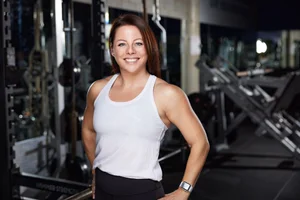
How to Train Smarter with Shifting Hormones
Let’s talk about something most women experience — but few of us get much guidance on: how to train when your hormones start doing their own thing.
Whether you’re peri-menopausal, menopausal, or just noticing that your body doesn’t respond to exercise the way it used to, this post is for you.
First, You're Not Broken — You’re Changing
Hormonal changes (think oestrogen, progesterone, and even testosterone) can affect your energy, recovery, sleep, and even how your body builds muscle. But here’s the good news: you can still get stronger, build muscle, and feel amazing — you just need to train a little smarter.
1. Strength Training Is Your Superpower
Muscle mass naturally declines with age (thanks, menopause), but lifting weights can help reverse that trend. Training with resistance — whether it’s dumbbells, machines, or bands — helps:
Support your metabolism
Improve bone density
Enhance insulin sensitivity
Boost confidence (yes, that too)
💡 Tip: Aim for 2–4 strength sessions a week. Focus on full-body movements like squats, rows, deadlifts, and presses. Don’t be afraid to lift heavy (with good form).
2. Prioritise Recovery Like a Pro
Hormonal shifts can mess with your sleep and recovery — which means you might feel more tired after workouts than you used to. That doesn’t mean you’re lazy or losing fitness. It just means recovery is now a critical part of your training.
💡 Tip: Build in more rest between sessions. Consider doing fewer total workouts but making them more intentional. And protect your sleep like it’s your job.
3. Track Your Energy, Not Just Your Workouts
Start noticing patterns in your cycle or symptoms. Do you feel amazing mid-month and sluggish right before your period? Or are you in menopause and noticing a different kind of fatigue?
💡 Tip: Use a simple journal or app to track how you feel around training. Over time, you’ll learn when to push harder and when to back off.
4. Nourish for Strength and Hormonal Support
This is not the time for extreme dieting. You need enough food — especially protein — to support muscle, recovery, and hormone balance.
💡 Tip: Prioritise protein at every meal, stay hydrated, and don’t fear carbs. Your body needs fuel to thrive — not just survive.
5. Listen to Your Body — Not Just the Plan
One of the smartest things you can do is learn to train with your body instead of against it. Some days you’ll feel like a warrior. Other days a walk and a stretch might be enough. Both are valid.
💡 Tip: Adjust your intensity based on how you feel — not just what’s written on the page. Smart training is flexible, not rigid.
Final Thoughts
You don’t need to stop training because your hormones are shifting. You just need to adapt.
This is your permission slip to move in ways that feel good, challenge yourself when you’ve got the energy, and rest when you don’t. Because sustainable progress comes from tuning in — not pushing through.